Prostatitis & CP/CPPS · Bilingual medical education
Chronic Prostatitis & CP/CPPS
Symptoms, treatment options, and THREM research
Learn about prostatitis and chronic prostatitis/chronic pelvic pain syndrome (CP/CPPS), including symptoms, differential diagnosis, treatment options, and the published preliminary study of THREM.
Current THREM evidence comes from a 20-person uncontrolled retrospective study. It cannot predict individual outcomes or replace diagnosis by a local clinician.
Evidence boundary: supported, not supported, still unknown
Evidence supports
- In 20 men with refractory CP/CPPS, pain, urinary and quality-of-life scores were lower at 6 months than before 7 days of THREM (DOI: 10.21037/tau-23-386).
- 17 of 20 follow-up completers self-rated at least 60% relief of their main symptoms. That figure belongs to this cohort only.
Evidence does not support
- It cannot prove THREM caused the change, because there was no control group.
- 17/20 is not a general response rate, a cure rate, or a result for men over 60 or men with BPH or prostate cancer.
- It cannot separate the enema from the massage, or show that THREM is better than other care.
Still unknown
- Long-term recurrence is unknown; follow-up stopped at 6 months.
- Systematic safety is unknown; the paper did not fully collect adverse events.
- Routine-practice case counts are unaudited, so this site does not publish them.
Common questions
What is chronic prostatitis/chronic pelvic pain syndrome (CP/CPPS)?
CP/CPPS is NIH prostatitis category III: pelvic, perineal or lower-abdominal pain or discomfort for at least 3 months, often with urinary or sexual symptoms, and without clear evidence of an ongoing bacterial infection. It is managed differently from acute or chronic bacterial prostatitis. A realistic goal is improvement in symptoms and quality of life, not a promised cure.
What is THREM?
THREM stands for Traditional Chinese herbal medicine Retention Enema combined with perineal Massage. The published protocol was once daily for 7 days; the clinic schedules 7–10 days after an in-person visit. Current evidence is a 20-person retrospective study without a control group (DOI: 10.21037/tau-23-386). It is not a cure and does not apply to people the study excluded.
Does 17/20 mean THREM works for 85% of people?
No. 17/20 is the self-reported share among 20 men who completed 6-month follow-up in a single-center retrospective study with no control group (DOI: 10.21037/tau-23-386). The paper does not report how many people started treatment or how many were lost. It is not a response rate for all CP/CPPS patients and cannot predict an individual result.
Can THREM cure prostatitis?
No treatment has been shown to cure CP/CPPS, and THREM is no exception. The published study only observed score changes at 6 months in a 20-person cohort and had no control group. The realistic goal is measurable change in symptoms and quality of life, not a cure.
We understand what you're going through
Long-term antibiotics that fail, recurring symptoms, declining quality of life — these are the most common concerns in CP/CPPS, and the questions this site is built around.
Antibiotics stop working
Months or even years of repeated antibiotics, yet symptoms keep coming back the moment you stop.
Symptoms keep recurring
Frequency, urgency, pain when urinating, perineal discomfort — unpredictable and disruptive to work and life.
Quality of life declines
Waking up all night, sexual health affected, anxiety and exhaustion — social life shrinks.
Nothing else has worked
Countless hospitals and methods — Western medicine, TCM, physiotherapy, psychological intervention — with little effect.
What the THREM protocol consists of
A combination of herbal retention enema and perineal massage — described below as a procedure, not as a proven mechanism.
Rectal herbal delivery
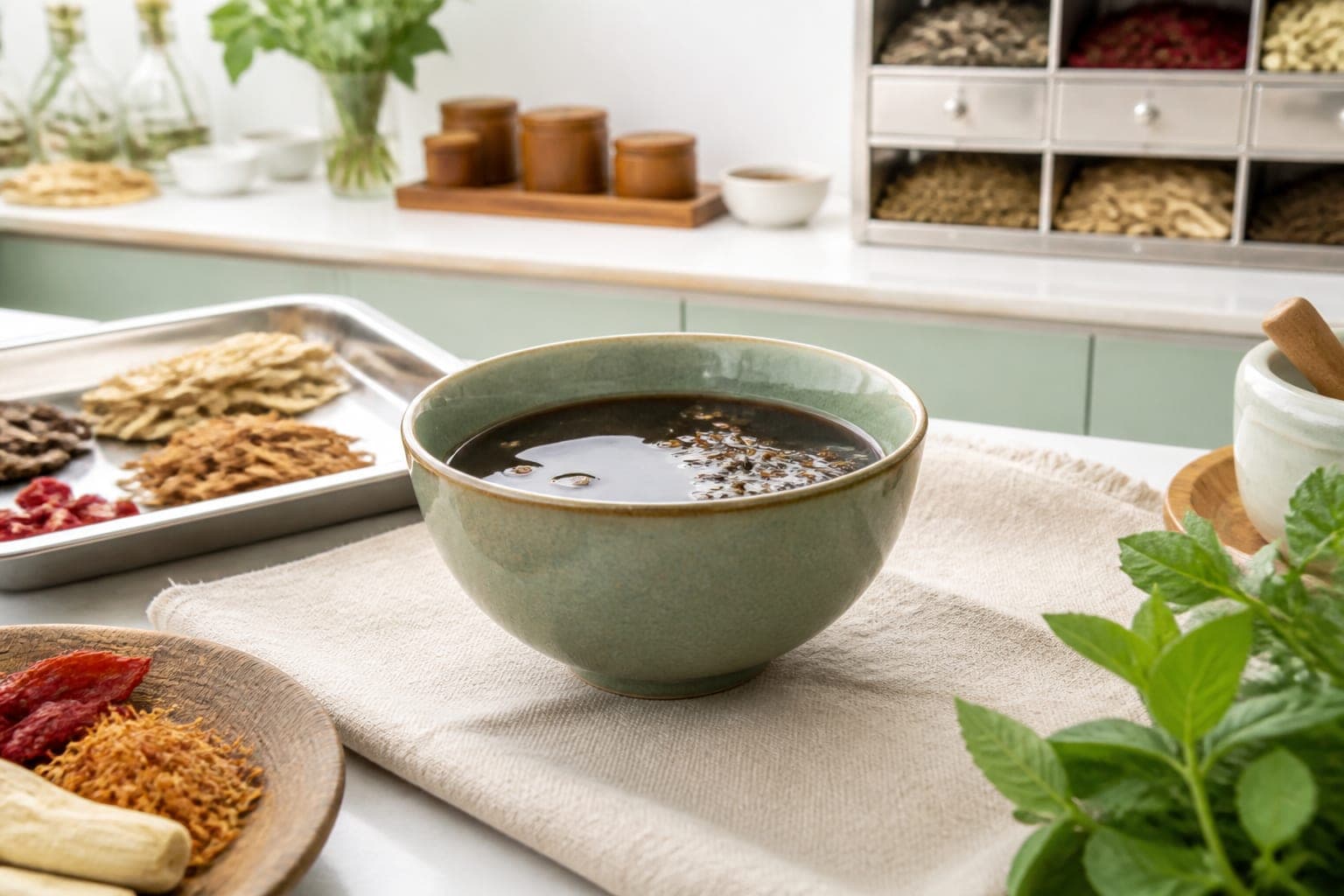
A decoction led by dandelion with salvia, coptis, phellodendron and other herbs is given as a retention enema. The lower rectum lies next to the prostate, and this route is intended to increase local contact in the pelvic region.
Traditional herbal classifications
In traditional Chinese medicine texts these herbs are classed as heat-clearing, blood-circulating or pain-relieving. These are traditional descriptions and have not been validated individually in CP/CPPS populations.
Perineal massage
Hands-on perineal work performed by the physician; the team’s working hypothesis is that it supports duct drainage. Because intimate areas are involved, steps, risks and how to stop are explained and written consent is obtained at the visit.
About the “duct blockage” hypothesis
The team uses “poor duct drainage with retained inflammatory secretions” as a working hypothesis behind the combination protocol. CP/CPPS is regarded as multifactorial and this hypothesis has not been tested in controlled studies; this site does not present it as an established cause.
Herbal formula
The eight main herbs in the enema decoction; descriptions come from traditional Chinese medicine literature.
Published study data
A 20-person single-center retrospective study observed lower pain, urinary, and quality-of-life scores at 6 months after the published 7-day THREM protocol. With no randomization or control group, the findings remain preliminary.
Why one patient story cannot establish effectiveness
Patient experiences may help explain a care journey, but they cannot prove effectiveness or predict another person's outcome. Older adults, men with BPH, post-surgical recurrence, or serious conditions fall outside what the current 20-person study can directly support and need full differential diagnosis first.
Individual outcomes vary

Medical team
Dr. Zhiyong Wu
An author of the published THREM study in Translational Andrology and Urology (2024). Credentials, the service entity, and the current treatment SOP should be assessed using publicly verifiable information.
Why patients choose Feel Better
We present study design, sample size, results, limitations, and source links together, while separating published evidence from team observations and information still awaiting verification.
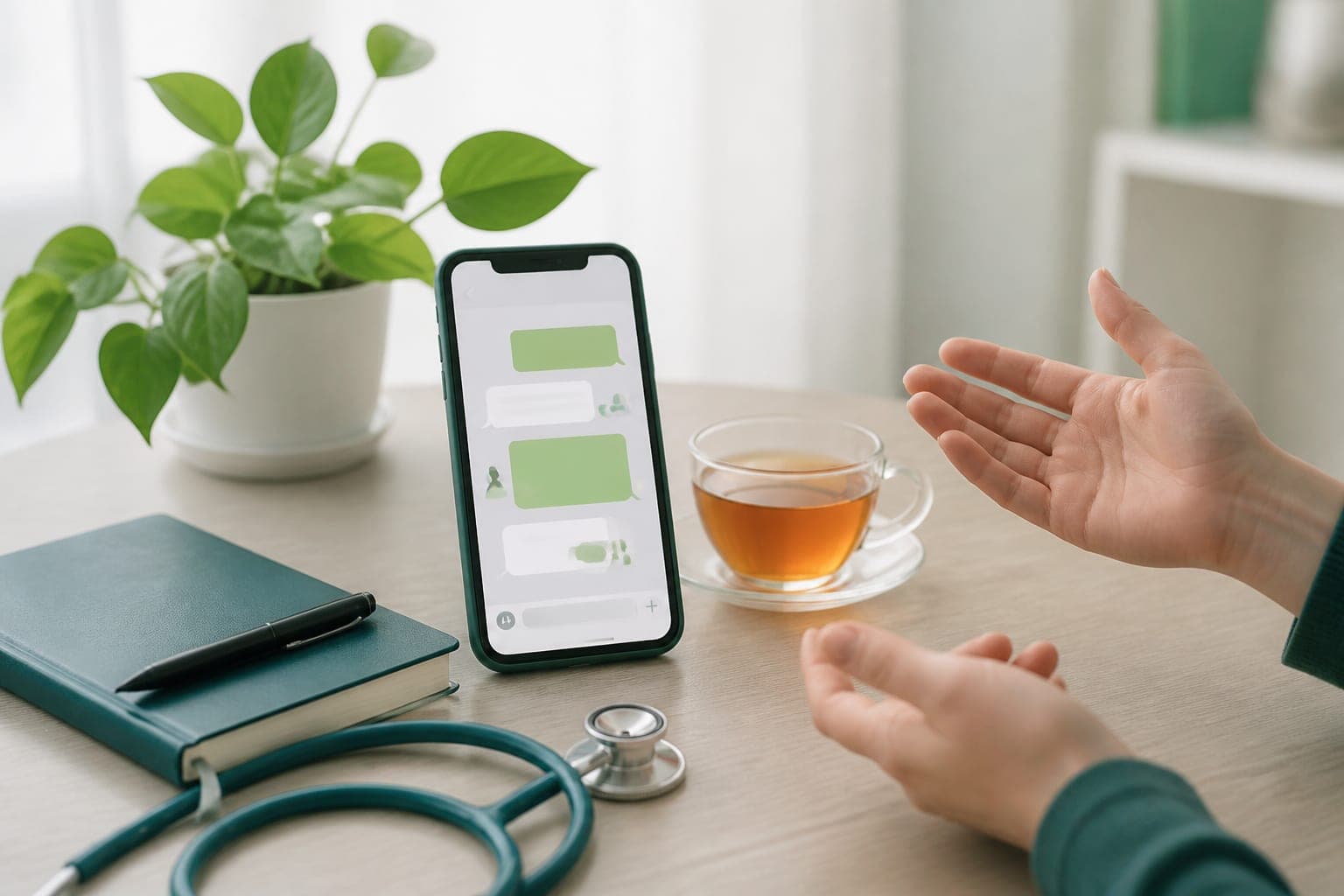
Consultation and appointments
Phone +86 134 7280 6893 · WeChat +86 13472806893 · Email 641568325@qq.com. Chinese and English supported. Our clinic is at 355 Wuding Road, Jing'an District, Shanghai. Describe your symptoms and our team will promptly arrange your evaluation and treatment plan.
Ask about an in-person evaluation in China
Review the evidence and eligibility boundaries first, then call +86 134 7280 6893 or use WeChat +86 13472806893 to ask about an in-person evaluation in Shanghai.
Free consultation