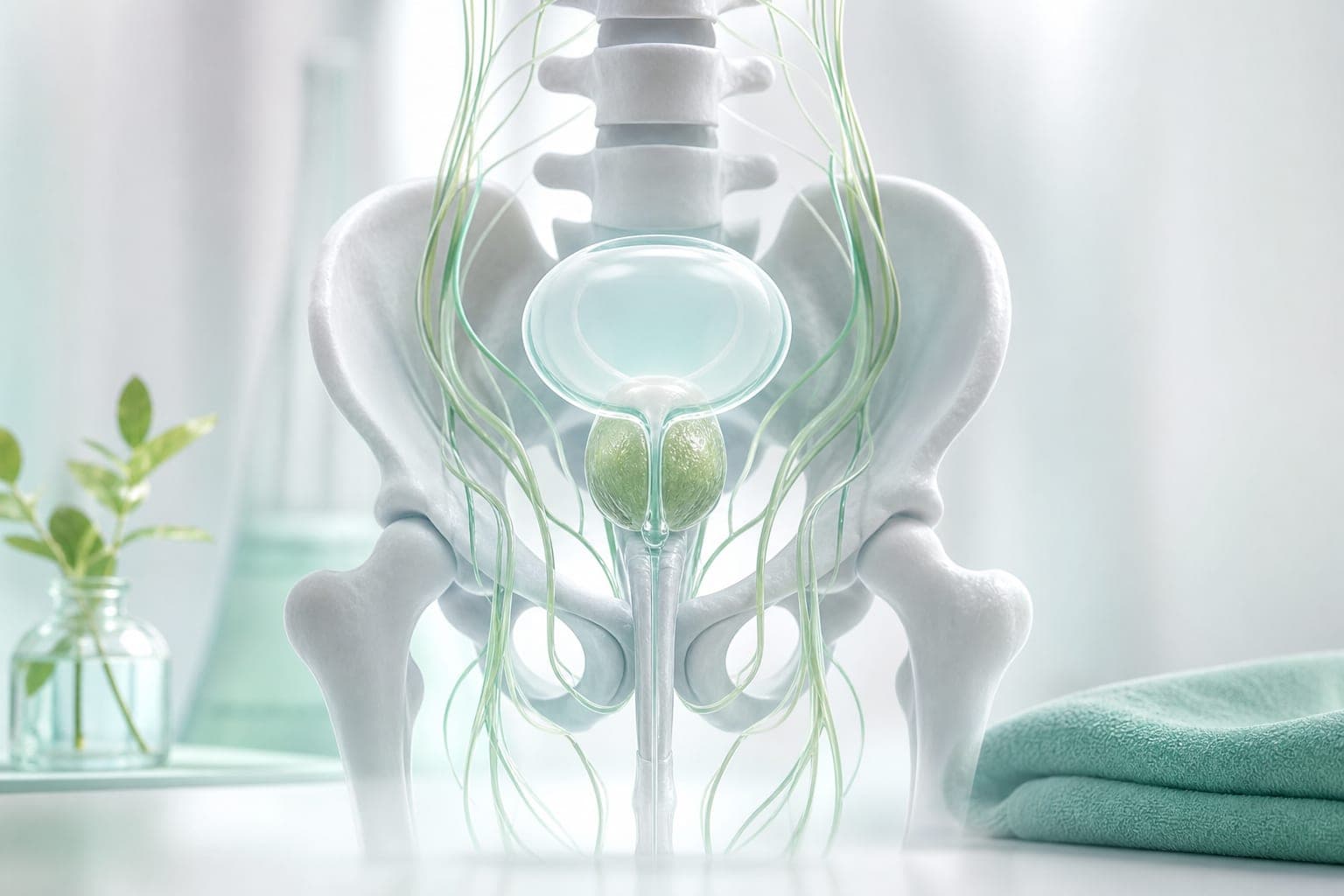
Where the pain may come from
CP/CPPS pain can involve the perineum, lower abdomen, scrotum, lower back or inner thighs, and may worsen with urination or ejaculation. Its origin is not thought to be single: sustained pelvic floor tension, inflammatory mediators irritating local nerves, nerve sensitization, and amplification by anxiety and poor sleep may all contribute.
Why the pain keeps returning
Once a “pain – muscle tension – more pain” loop is established, it can persist even after the original trigger has eased; prolonged sitting, constipation and stress swings make symptoms fluctuate. This is why a single medication often gives only partial relief and guidelines emphasize multimodal, individualized care.
Conditions to rule out
Persistent pelvic pain does not always come from the prostate. A clinician should exclude urinary infection or stones, interstitial cystitis/bladder pain syndrome, hernia or groin problems, anorectal disease, and referred pain from the sacroiliac joints or lumbar spine.
Standard approaches to relief
Common measures include stepwise analgesic and anti-inflammatory medicines under medical guidance, pelvic floor physiotherapy and relaxation training, warm compresses, reducing prolonged sitting, and improving sleep and stress management. Complex cases may benefit from a multidisciplinary pain clinic.
THREM and pain
In the published 20-person study, VAS pain scores were lower at 6-month follow-up than at baseline. This is an uncontrolled preliminary observation; it cannot show that THREM caused the improvement or predict your outcome. If you want to learn about the protocol, complete the differential workup above first, then discuss whether an in-person evaluation is appropriate.