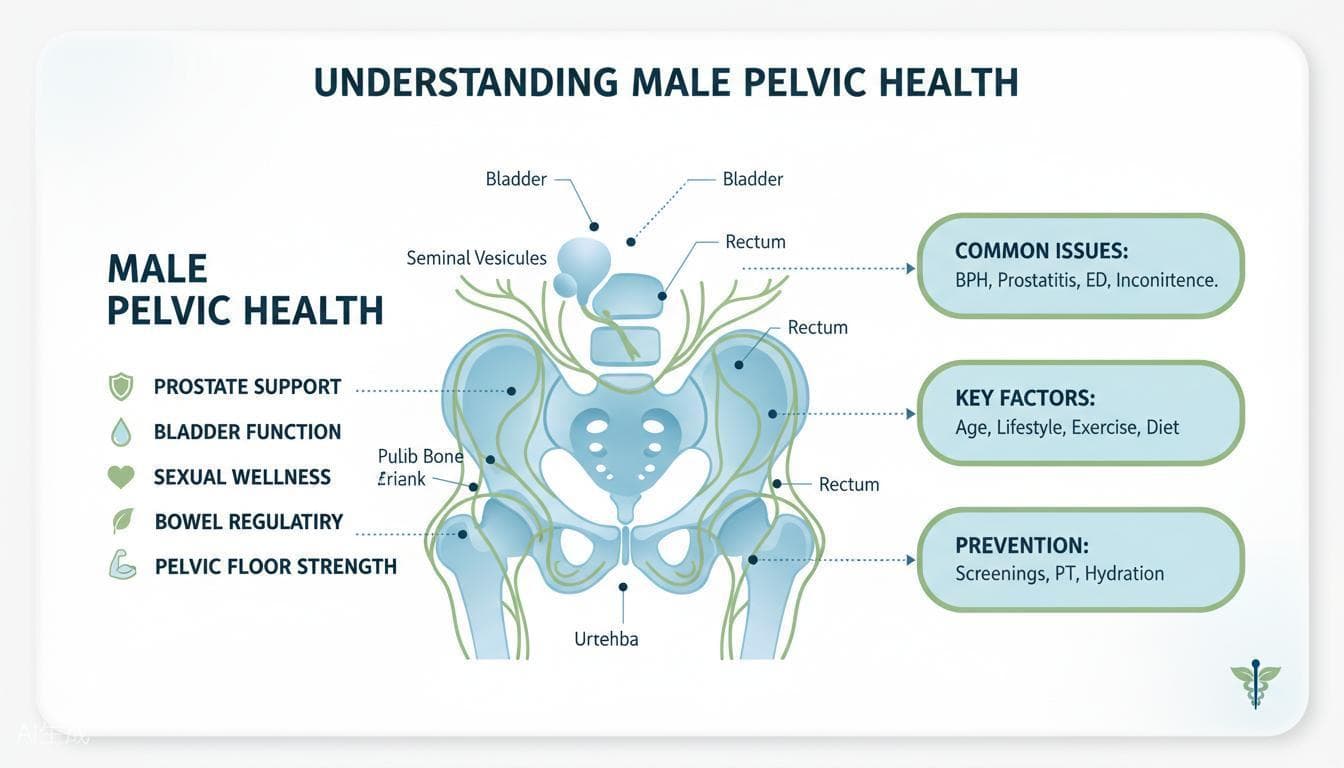
Definition and classification
Chronic prostatitis/chronic pelvic pain syndrome (CP/CPPS) corresponds to Type III in the US NIH prostatitis classification: persistent or recurrent pelvic, perineal or lower-abdominal pain or discomfort for at least 3 months, often with urinary frequency, urgency, voiding discomfort or sexual symptoms, and without clear evidence of ongoing bacterial infection. It differs from Type I acute bacterial, Type II chronic bacterial and Type IV asymptomatic prostatitis, and is managed differently.
Possible contributing factors
CP/CPPS is generally regarded as multifactorial, and the dominant factor may differ between patients:
- Pelvic floor muscle tension or dysfunction
- Nerve sensitization and altered central pain processing
- Inflammatory responses after prior infection, urine reflux or chemical irritation
- Poor prostatic duct drainage (one of the team’s working hypotheses, not yet tested in controlled studies)
- Psychosocial and lifestyle factors such as anxiety, sleep disturbance and prolonged sitting
Standard treatment options
Guidelines generally recommend individualized combinations based on symptom pattern — for example antibiotics when infection is indicated, alpha-blockers, analgesic and anti-inflammatory medicines, pelvic floor physiotherapy, psychological support and lifestyle adjustment. Many patients need a period of trying several approaches; the realistic goal is usually improvement in symptoms and quality of life rather than a complete “cure”.
When to seek urgent care
Fever, chills, blood in the urine, acute voiding difficulty or inability to urinate, or rapidly worsening pain warrant prompt local urgent or urological care — not waiting or self-medicating.
Where THREM fits
THREM is a Chinese medicine combination protocol for adult CP/CPPS patients who remain symptomatic after routine care. Current evidence is a 20-person uncontrolled retrospective study — preliminary evidence only. It does not replace differential diagnosis or assessment by a local clinician; suitability depends on age, comorbidities and prior treatment history and is decided at an in-person visit.