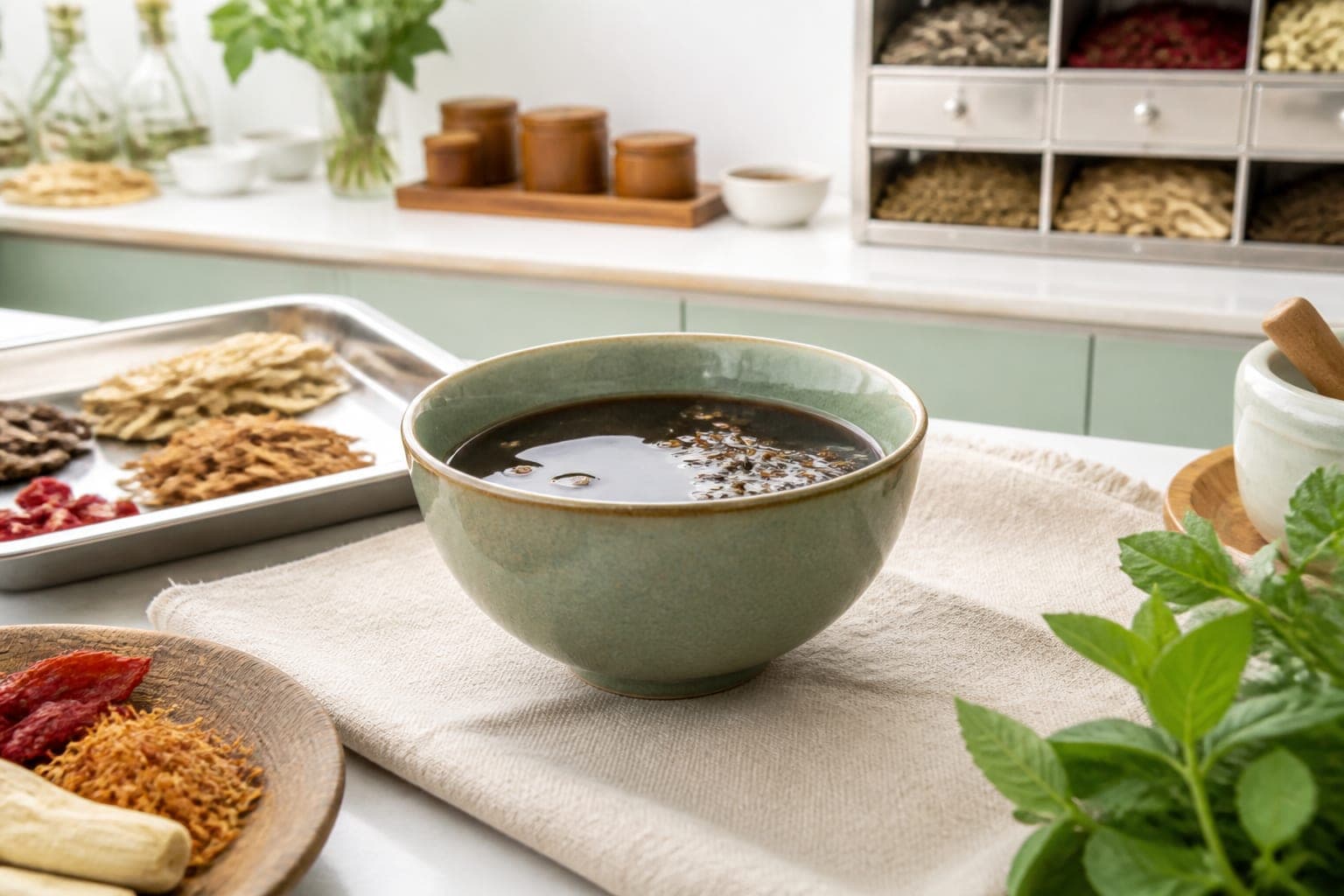
In THREM, herbal retention enema is one component of a combination intervention, often paired with perineal massage. Many patients ask why herbs are given rectally instead of orally — and how that differs from pills.
The notes below explain delivery route and clinical rationale only. They do not promise individual benefit and must not be read as an “expressway to the prostate” or as proof of “detox,” pus drainage, or complete bacterial eradication in ducts.
Limits of oral delivery
- Oral drugs pass through the gut; acid, food, and first-pass liver metabolism change how much active compound reaches the bloodstream.
- The prostate sits deep in the pelvis with limited blood supply, so local exposure after oral dosing is hard to measure directly.
- Oral therapy remains a mainstay in CP/CPPS, yet some refractory patients may not respond adequately — one reason combined approaches are studied.
Why a retention enema may be considered
- The lower rectum lies adjacent to the prostate, so rectal absorption can create meaningful local contact in the pelvic region.
- Retention means holding fluid in the rectum briefly before evacuation to prolong mucosal contact; volume, temperature, and timing must follow clinical protocol.
- This changes site and contact — it does not, by itself, prove eradication of all pathogens or removal of “toxins” in prostatic ducts.
Link to published research
The 2024 TAU study evaluated herbal retention enema plus perineal massage as a combined course — once daily for 7 days — and reported score improvements at 6-month follow-up. The trial did not separate enema from massage, nor prove superiority over all alternatives.
If you want the clinic’s current protocol, contraindications, and informed-consent details, those should be explained in person — not improvised at home from online articles.
Safety reminders
- Enema procedures carry hygiene, temperature, volume, and mucosal injury risks; do not prepare or repeat them at home without medical supervision.
- People with significant anorectal disease, bleeding risk, or inability to retain fluid need individual assessment.
- Stop and seek care for persistent abdominal pain, rectal bleeding, or fever after any procedure.